
What happens when you weld galvanized steel?
What happens when you weld galvanized steel?
The Chemistry: Why the "White Smoke"?
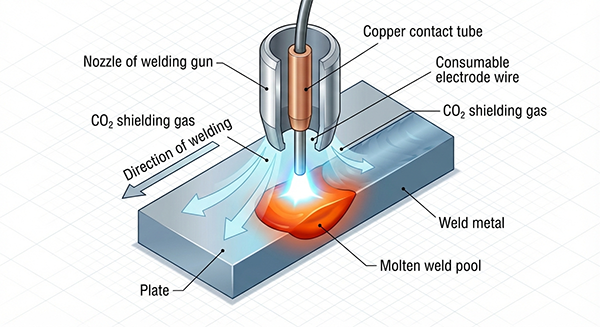
The moment your welding arc hits the pipe, the zinc doesn't just melt—it flash-boils. As this zinc vapor hits the oxygen in the air, it oxidizes instantly:
2Zn + Q2→2ZnO
This creates the thick, white, "fluffy" clouds of zinc oxide that characterize galvanized welding. This smoke isn't just a nuisance; it’s a physical barrier that tries to push its way into your weld pool.
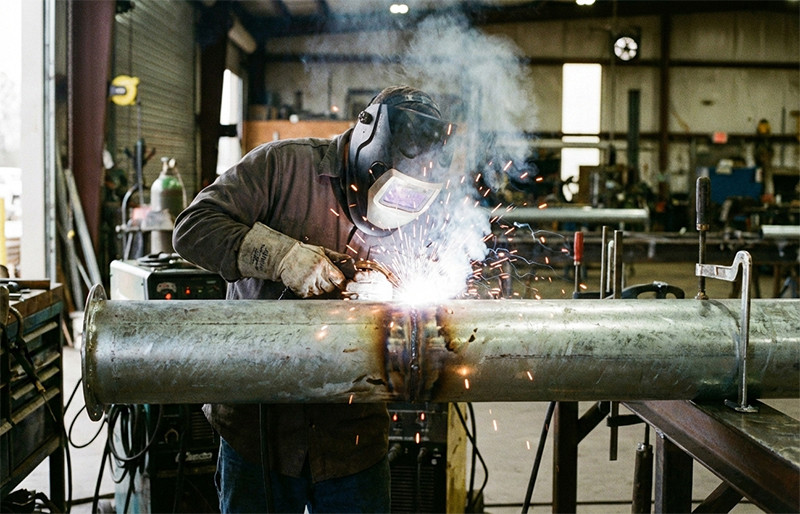
The Inside vs. Outside Dilemma
Welding a pipe is uniquely difficult because the galvanization exists on both surfaces, but you usually only have access to one.
The Outside: The Prep Zone
The pipe’s exterior is manageable. A pro welder will always grind back the galvanization at least 1–2 inches from the weld joint. If you see shiny, bare steel, you’re good to go. If you leave the zinc on, the arc will wander, the puddle will "pop" and spit, and you'll end up with a mess of spatter.
The Inside: The "Chimney Effect"
This is the real challenge. Unless the pipe is large enough for a person to reach inside, you cannot grind away the internal zinc coating.
The Fume Trap: The pipe acts like a chimney. The heat from your weld vaporizes the internal zinc, and the fumes travel straight down the pipe. Often, these fumes are forced back out of the joint right into your face.
The Hidden Rust Spot: Even if your outside weld looks perfect, the heat will have vaporized the zinc on the inside of the pipe. This leaves a ring of bare, unprotected steel inside the pipe that you can't see or re-coat. This is where the pipe will eventually fail because of internal corrosion.
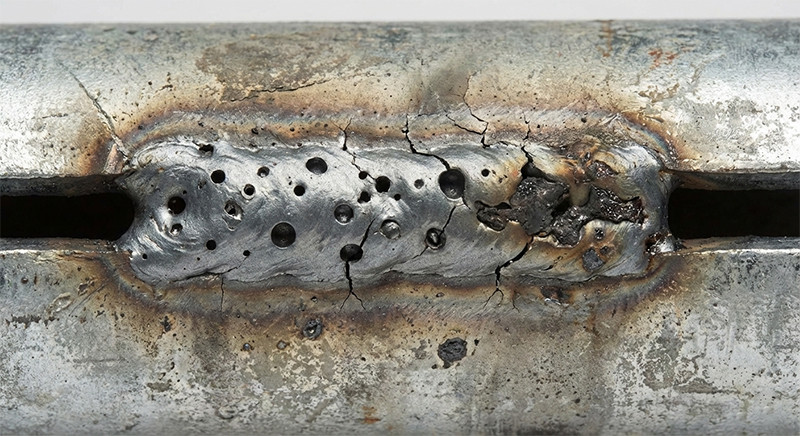
How Zinc Sabotages the Weld
Porosity: The boiling zinc gas gets trapped inside the molten steel as it cools. The result is a weld that looks like "Swiss cheese" under a microscope—full of tiny holes that make the joint weak and prone to leaking.
Zinc Embrittlement: Molten zinc can actually penetrate the grain boundaries of the steel. This makes the steel brittle, meaning the joint could snap under a heavy load or vibration.
Inclusions: Oxidized zinc can become trapped in the weld metal, forming slag pockets that weaken the joint.
Safety: The "Zinc Chills" and the Milk Myth
Inhaling those white ZnO fumes leads to Metal Fume Fever, often called "the zinc chills" or "galv poisoning."
Symptoms: Usually kick in 4 to 12 hours after the job. You’ll feel like you have the flu—chills, fever, nausea, and a weird metallic taste in your mouth.
The Milk Myth: You might hear old-timers say drinking a quart of milk before welding "neutralizes" the poison. This is a myth. While calcium might slightly slow the absorption of certain metals, it is not a cure.
The Real Solution: High-quality ventilation (smoke eaters) and a P100 respirator are non-negotiable.
Best Practices for a Solid Joint
If you have to weld hot dip galvanized steel pipe, do it right:
Grind, then grind again: Get down to the bare steel on the outside.
Use the right rod: Some types of electrodes provide deeper penetration and are more forgiving of surface contamination.
Ventilate: If you're indoors, use a fume extractor. If you're outdoors, keep the wind at your back.
Post-Weld Protection: Once the weld is cool, clean it with a wire brush and apply a zinc-rich "cold galv" spray to the outside to restore the corrosion resistance you burned away.