

Blog
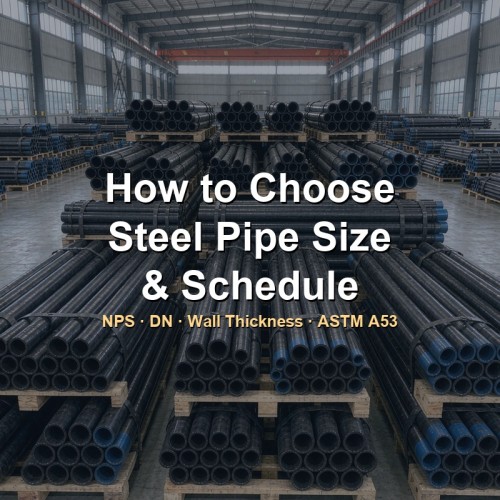
 How to Choose Steel Pipe Size and ScheduleSep 22,2026NPS is not the OD, and schedule is not a pressure rating. Learn how steel pipe size, wall thickness, and schedule work — with charts and formulas.
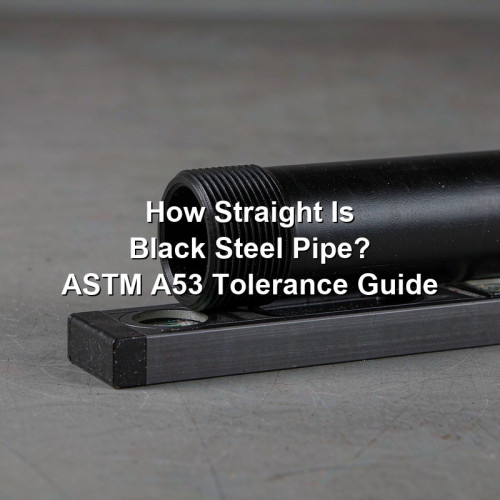
- How Straight Is Black Steel Pipe? ASTM A53 Tolerance GuideSep 10,2026Black steel pipe straightness isn't precision — ASTM A53 says "reasonably straight" plus a ~0.2% length tolerance. Real runout numbers, ERW concentricity, and when to switch to A500 HSS.
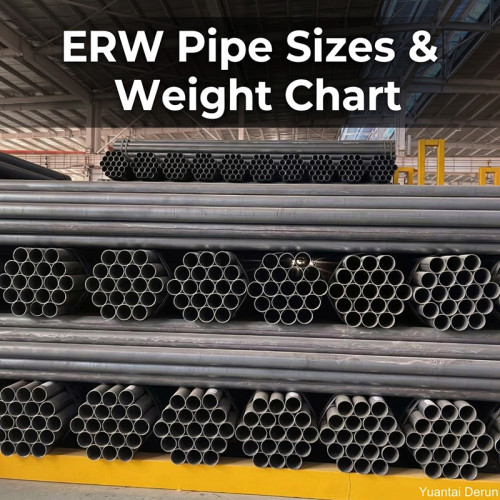
- ERW Pipe Sizes & Weight Chart: NPS 1/2–18 in.Sep 3,2026Comprehensive ERW pipe size and weight chart covering NPS 1/2 to 18 inches. View outer diameter, wall thickness (Sch 10 to XXS), and weight per foot/meter for ASTM A53 & API 5L ERW pipes.
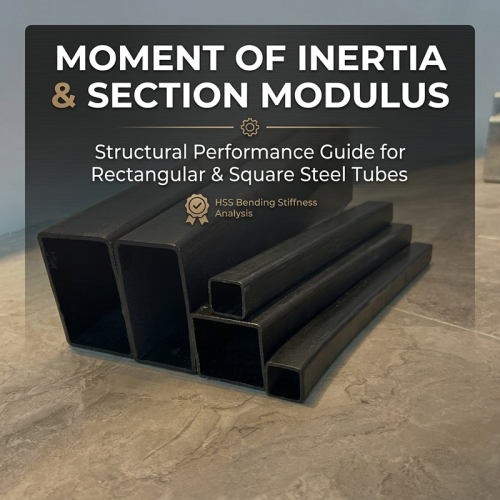
- Moment of Inertia & Section Modulus of Steel TubesAug 28,2026Moment of inertia and section modulus explained in plain English, with formulas, property charts for square and rectangular tubes, and worked examples.
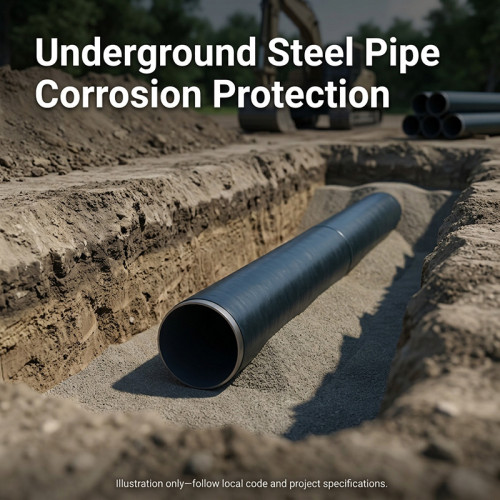
- Can You Bury Black Iron Gas Pipe Underground? Code Requirements, Corrosion & ProtectionAug 20,2026Can black iron gas pipe be buried underground? Learn why bare steel corrodes in soil and how coatings, joint protection, and code requirements affect selection.
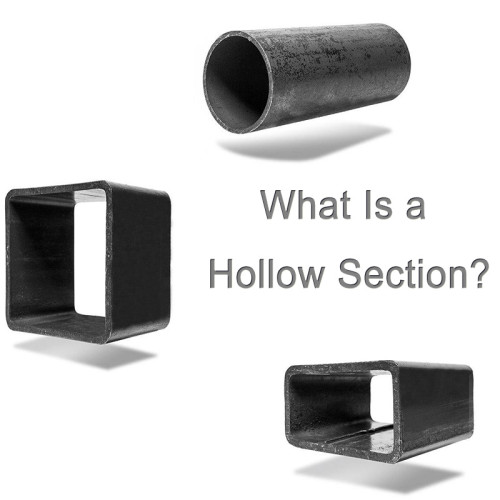
- What Is a Hollow Section?Aug 13,2026A hollow section is a closed steel profile designed for structural applications. Learn about SHS, RHS and CHS, how hollow sections are manufactured, the main EN, ASTM and GB/T standards, and how they differ from conventional steel pipe.
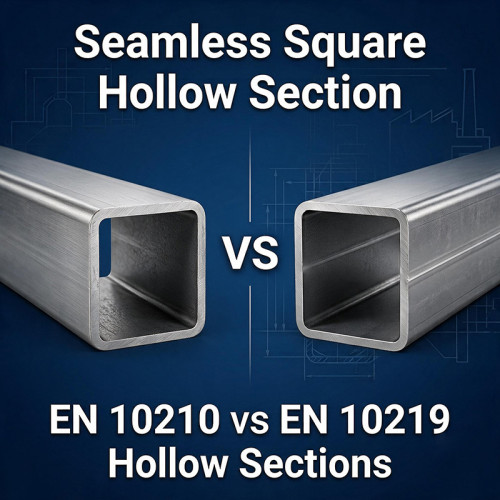
- Seamless Square Hollow Section Guide: EN 10210 vs EN 10219 SelectionJul 31,2026Compare EN 10210 & EN 10219 standards to determine whether your project requires RHS steel seamless or not. Read our technical guide.
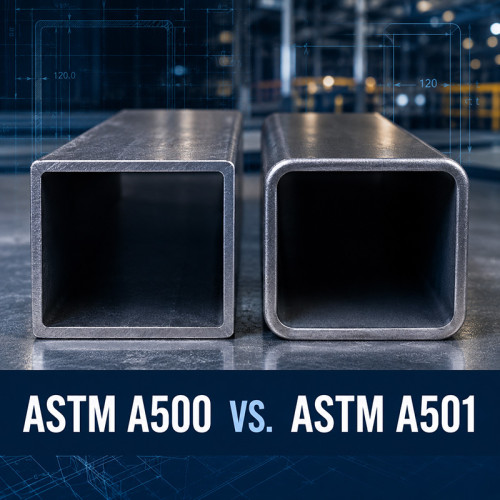
- ASTM A500 vs. ASTM A501: Technical & Procurement Guide for Structural TubingJul 22,2026Can you substitute ASTM A500 for ASTM A501? Discover the crucial differences in manufacturing metallurgy, yield strength, AISC wall thickness calculations, and sub-zero fatigue resistance before making procurement decisions.
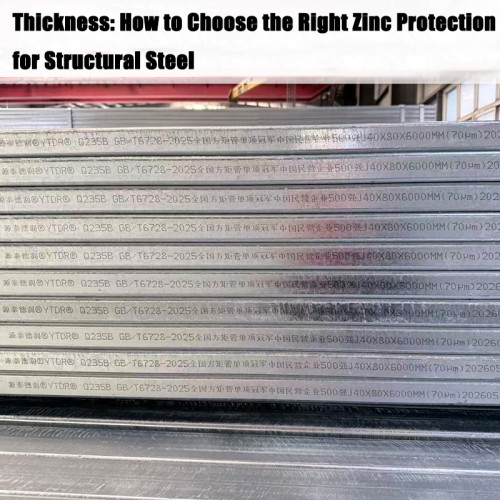
- Thickness: How to Choose the Right Zinc Protection for Structural SteelJul 15,2026Choosing the right zinc coating thickness is essential for your structural steel's longevity. This guide explains how to match coating thickness to your project's exposure environment, with a focus on our high-performance 70μm+ heavy-duty galvanizing for aggressive conditions. Contact Yuantai Derun for technical support and product data for your next project.
- The Technical Foundation of Secure Steel Sourcing: GB/T 6728-2025 & Trade Remedy PreparednessJul 7,2026In an era of increasing trade remedy scrutiny, EPC project success depends on supply chain resilience. As a lead drafter of the GB/T 6728-2025 standard, Yuantai Derun Group provides global infrastructure projects with "Audit-Ready" compliance documentation. We help EPC contractors build transparent evidentiary chains—from raw material traceability to international certification—to mitigate anti-dumping risks. Secure your structural steel sourcing and ensure seamless project delivery today.
- GB/T 6728-2025 Standard Guide | Full Technical Overview, Key Updates & Download ResourceJun 22,2026The new GB/T 6728-2025 standard is officially active, replacing the 2017 edition. Authored by drafting participant Yuantai Derun, this guide breaks down core revisions: consolidated 6728+6723 frameworks, new laser cutting & mechanical property requirements, and revised Appendix B tolerances & galvanizing re-inspection rules. Get free PDF downloads of the official Chinese, English, and bilingual texts, plus grade mapping to EN 10219 & ASTM A500.
- EN 10255 vs ASTM A53 vs BS 1387: Cross-Reference Guide for Pipe SelectionJun 11,2026Compare EN 10255, ASTM A53 & BS 1387 steel pipes. Explore critical differences in dimensional tolerances, threading requirements, and multi-standard mill compliance.
Blog group
Are you looking for a reliable steel pipe manufacturer?
We can quickly provide customers with market analysis, technical support and customized services.subscription
Please send your message to us
Yuantai team has over 21 years of experience in steel pipe project applications, specializing in the production, manufacturing, and customization of square rectangular, and circular steel pipes. Warmly welcome project procurement managers, individual owners, designers, and overall sellers, etc. Write down your requirements and receive professional quotes and technical support.
- Name
- Phone
- *Title
- *Content