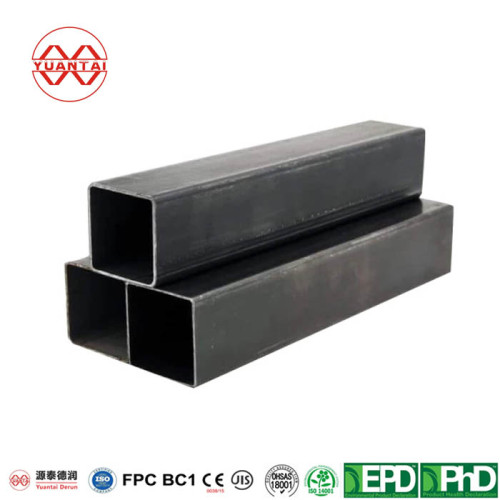

Metal Gauge Explained: Why Thickness Matters More Than You Think
Metal Gauge Explained: Why Thickness Matters More Than You Think
If you spend any time in fabrication, construction, or metal supply, you’ll eventually hear the same question:
“What gauge is it?”
That’s because metal thickness isn’t just a measurement—it drives strength, cost, performance, and safety.
What Does Metal Gauge Really Mean?
Gauge is the number used to describe sheet metal thickness.
And there’s one rule many beginners miss:
➡ The smaller the gauge number, the thicker—and stronger—the steel.
So when someone asks about 10 gauge steel thickness, they’re talking about steel that is much heavier and more rigid than 18 or 22 gauge.
11 gauge steel thickness is roughly 0.120” (3.0 mm)
12 gauge steel thickness comes in around 0.105” (2.7 mm)
14 gauge steel thickness is lighter, closer to 0.075” (1.9 mm)
7 gauge steel thickness is significantly thicker, about 0.18” (4.6 mm)
Once thickness exceeds roughly 0.188 inches, the industry stops using gauge numbers and classifies it as plate.

Why Thickness Selection Isn’t Random
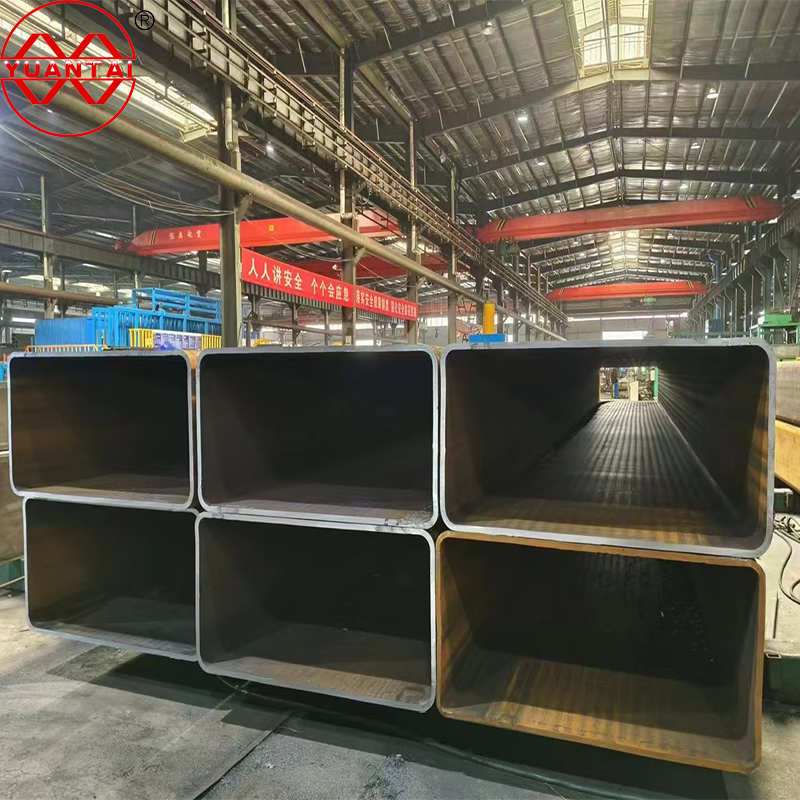
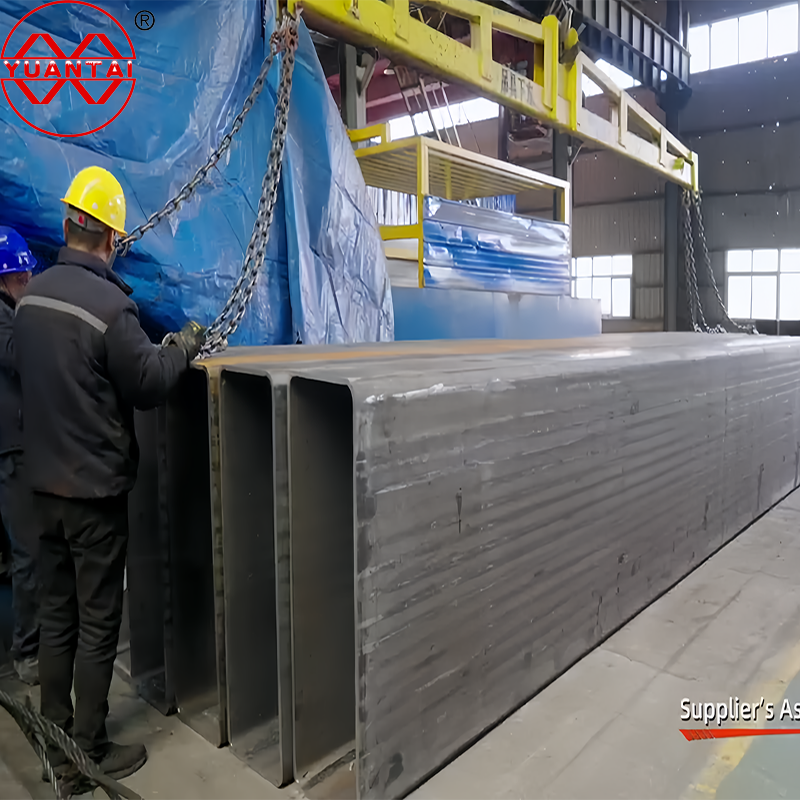
Whether you’re choosing sheet metal, tubing, U-channel, or brackets, thickness plays directly into:
✔ strength
✔ stiffness
✔ weight
✔ cost
Go too thin and your parts flex, wear out, or buckle.
Go too thick and you pay more than you need—and may struggle to bend, cut, or weld.
This is why engineers often specify exact thicknesses instead of simply “steel.”
So How Do You Measure Thickness Correctly?
There are two reliable approaches:
✔ Calipers
Digital calipers are the fastest and most precise tool.
Fabricators use them to verify deliveries and ensure replacements match original parts.
✔ Gauge-to-Thickness Conversion Charts
Useful when drawings list gauge instead of dimensions.
Designers, inspectors, fabricators—they all reference these charts.
How to Choose the Right Gauge
Different applications follow different norms:
Automotive body panels: 18–24 gauge
Roofing and metal cladding: 22–30 gauge
Structural brackets, sign posts, trailer frames: 7–14 gauge
That means 14 gauge steel thickness might be enough for light framing, while 7 gauge steel thickness is more suitable for heavy-duty supports or sign posts where wind load matters.
If you need a balance of formability and strength—say for furniture frames or agricultural equipment—11 gauge steel thickness or 12 gauge steel thickness is often the sweet spot.
A One-Gauge Difference? Huge Impact
Even stepping from
12 gauge steel thickness → 11 gauge steel thickness can change weld behavior, rigidity, forming limits, and project cost.
That’s why thickness selection isn’t guesswork—it’s engineered.
Buyer Tips You Shouldn’t Ignore
• Always measure an old part before replacing
• If the component bends, forms, or welds, confirm your gauge suits the process
• For outdoor parts, thickness and galvanizing/coatings should be considered together
• If unsure, ask your supplier—choosing between 10 gauge, 11 gauge, or 14 gauge steel thicknesses can change more than you expect