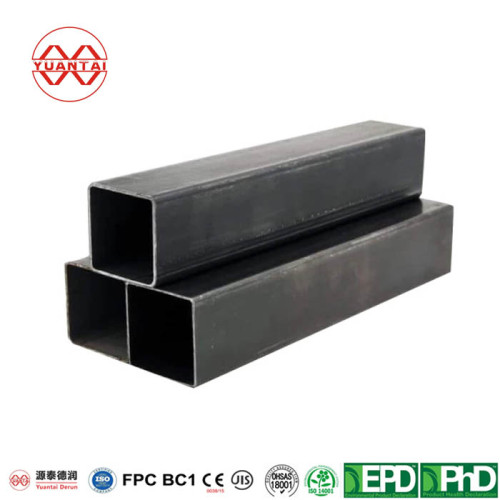

Can You Use Galvanized Pipe for Gas? What Every Contractor Should Know
Quick Summary: Is Galvanized Pipe Safe for Gas?
1.Natural Gas Use: Yes, modern galvanized pipe for gas lines is generally permitted by the IFGC for above-ground use because modern gas is clean and dry.
2.The Flaking Risk: Historically, zinc could flake and clog systems; however, this is rare with today’s refined fuel. Black iron pipe remains the standard for indoor use to avoid this risk entirely.
3.Underground Warning: Do NOT use galvanized pipe for gas underground. Soil corrosion is too aggressive for zinc; use PE or coated steel instead.
4.Outdoor Advantage: For outdoor or coastal lines, galvanized is superior to black iron because it provides crucial corrosion resistance against rust.
----------------------------------------------------------------------------------------------------------
If you walk onto a job site and ask two plumbers whether you can use galvanized pipe for gas lines, you’ll likely get two different answers. Some will swear it’s a hazard; others will tell you they’ve been doing it for decades.
As a factory that produces thousands of tons of both black iron pipe for gas line projects and galvanized structural pipes, we’ve seen the confusion firsthand. Let’s cut through the noise and look at the actual codes, the risks, and why the "old rules" are changing.
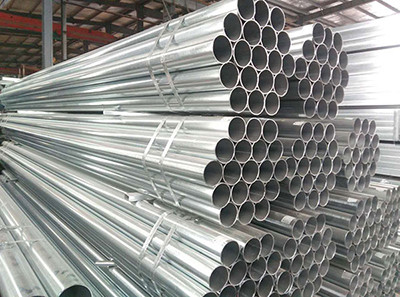
The Big Question: Why Not Use Galvanized Pipe for Gas?
Why can you not use galvanized pipe for gas in older systems? Because those flakes would eventually hit the gas regulator or burner orifices, causing a total system failure.
The Reality in 2026: Today’s natural gas is highly refined and "dry." Without that sulfur and moisture, the internal flaking risk is almost zero. This is why the galvanized pipe for gas code has been updated in many regions (like the IFGC) to allow its use for above-ground piping.
Black or Galvanized Pipe for Gas: Where Do They Actually Go?
Black or Galvanized Pipe for Gas: Where Do They Actually Go?
1. Indoor Lines: The "Black Iron" Standard
For most interior residential work, black iron or galvanized pipe for gas isn't much of a debate—black steel pipe wins on cost and convenience. It’s easier to thread, cheaper to buy, and the dark color makes it immediately obvious to any inspector that it’s a gas line, not a water line.
2. Outdoor Lines: Why Galvanized is Superior
If you are running a galvanized pipe for gas line to an outdoor BBQ, a pool heater, or a rooftop HVAC unit, black iron is a bad choice. Raw steel rusts the moment it hits rain or salt spray. Galvanized pipe for gas piping outside provides a sacrificial zinc layer that stops external rust in its tracks. In corrosive environments, it's simply the best galvanized pipe for gas option to avoid a maintenance nightmare.
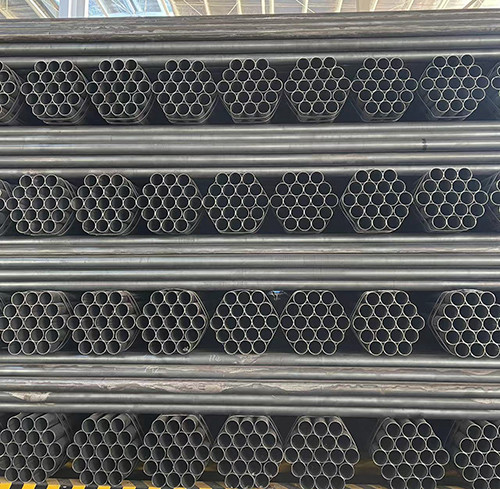
The "Hard No" Zones: Underground and Propane
Even with modern gas, there are places where you shouldn't use galvanized pipe for gas:
Underground: Can you use galvanized pipe for gas underground? Honestly, you shouldn’t. Soil is incredibly corrosive. No matter how good the galvanizing is, it won't last as long as polyethylene (PE) or factory-wrapped steel. Most local codes flat-out ban galvanized pipe for gas underground.
Propane: Can you use galvanized pipe for propane? Most pros say no. Propane can be more reactive with zinc coatings than natural gas. Stick to black iron or coated copper for LPG.
California and Local Codes
Can you use galvanized pipe for gas in California? This is a tricky one. California’s codes are notoriously strict. While the national codes might allow it, many CA municipalities still demand black iron for all residential gas piping to keep everything uniform and "idiot-proof" for future repairs. Can i use galvanized pipe for gas line in my specific city? Always check with your local building department before you buy.
What to Look for in a Supplier
When you’re sourcing galvanized steel pipe for gas, the "how it's made" part matters more than the "what it's made of." At our factory, we don't just rely on a general ISO 9001 stamp. We focus on:
1.Traceability: Every pipe we ship is backed by internal factory management that tracks the heat number from the melt to the final thread.
2.Thread Precision: Gas leaks happen at the joints. We use CNC-machined NPT threads to ensure a gas-tight seal every time.
3.Coating Uniformity: A "patchy" zinc layer is worse than no layer at all. We ensure a consistent hot-dip finish that meets ASTM A53 standards.
FAQ:Galvanized Pipe for Gas: Frequently Asked Questions
Q1: Can you use galvanized pipe for gas lines in 2026?
A: Technically, yes. For a long time, people thought it was a safety hazard, but today’s galvanized pipe for gas code (like the IFGC) allows it for above-ground natural gas. The catch? You have to make sure your local inspector is on board, as some cities still prefer the old-school black iron pipe for gas line standards.
Q2: Why can‘ t you use galvanized pipe for gas in some older homes?
A: It’s all about "zinc flaking." Older gas had a lot of sulfur in it, which made the zinc coating peel off inside the pipe. Those flakes would then travel down the line and clog up your furnace or stove. Why not use galvanized pipe for gas back then? Because it was a maintenance nightmare. With today’s cleaner natural gas, this is much less of a problem.
Q3: Black or galvanized pipe for gas—which one should I buy?
A: As a manufacturer, we usually tell customers: use black iron or galvanized pipe for gas based on where it’s going. If it’s staying inside where it’s dry, go with black steel pipe for gas—it’s cheaper and gets the job done. If you’re running a galvanized pipe for gas outside (like to a BBQ or pool heater), go with galvanized. It won't rust the moment it gets rained on.
Q4: Can you use galvanized pipe for gas underground?
A: We strongly advise against it. Honestly, can i use galvanized pipe for gas line underground? Most local codes will fail you on the spot. Soil is way too corrosive for zinc. For anything buried, you’re better off with Polyethylene (PE) or specialty coated steel.
Q5: Can you use galvanized pipe for gas in California?
A: California is famous for having the strictest building codes. While the national standards might say okay, many CA cities still mandate black iron or galvanized pipe for gas specifically—usually leaning toward black iron for everything indoor. Before you start a project in the Golden State, call your local building department first.
Q6: Can you use galvanized pipe for propane?
A: It’s generally a "no." Propane can be a bit more reactive than natural gas when it comes to zinc coatings. Most pros recommend sticking to black iron or copper for LPG and propane systems to avoid any long-term corrosion issues.
Q7: What is the best galvanized pipe for gas?
A: The "best" isn't just about the coating; it's about the manufacturing. You want a pipe that’s Hot-Dip Galvanized and meets ASTM A53 specs. But more importantly, look for a supplier with solid internal factory management and full traceability. You want to know exactly where that steel came from if a leak ever happens.